Destination Unknown

Author: Ingrid

  • CANADA SNOW Noel Kängor Broddar Review | Reversible Ice Cleats | 2024

    CANADA SNOW Noel Kängor Broddar Review | Reversible Ice Cleats | 2024

    CANADA SNOW Noel Kängor Broddar Review

    When I first moved to Sweden, I struggled finding boots that kept my feet warm and from slipping on icy terrain. If you’re new to living in a cold winter climate like I was, then you quickly realize that the icy streets and frozen, wet toes will quickly ruin your experience here. Having lived in a tropical climate my entire life, I didn’t know where to begin my search and if I was buying a quality winter boot – these boots usually cost well over $200 in stores! Thankfully, after living in Sweden for two years, I can confidently say that I have found my favorite everyday winter boots that keep my tootsies warm, offer excellent grip with integrated ice cleats, and look stylish.

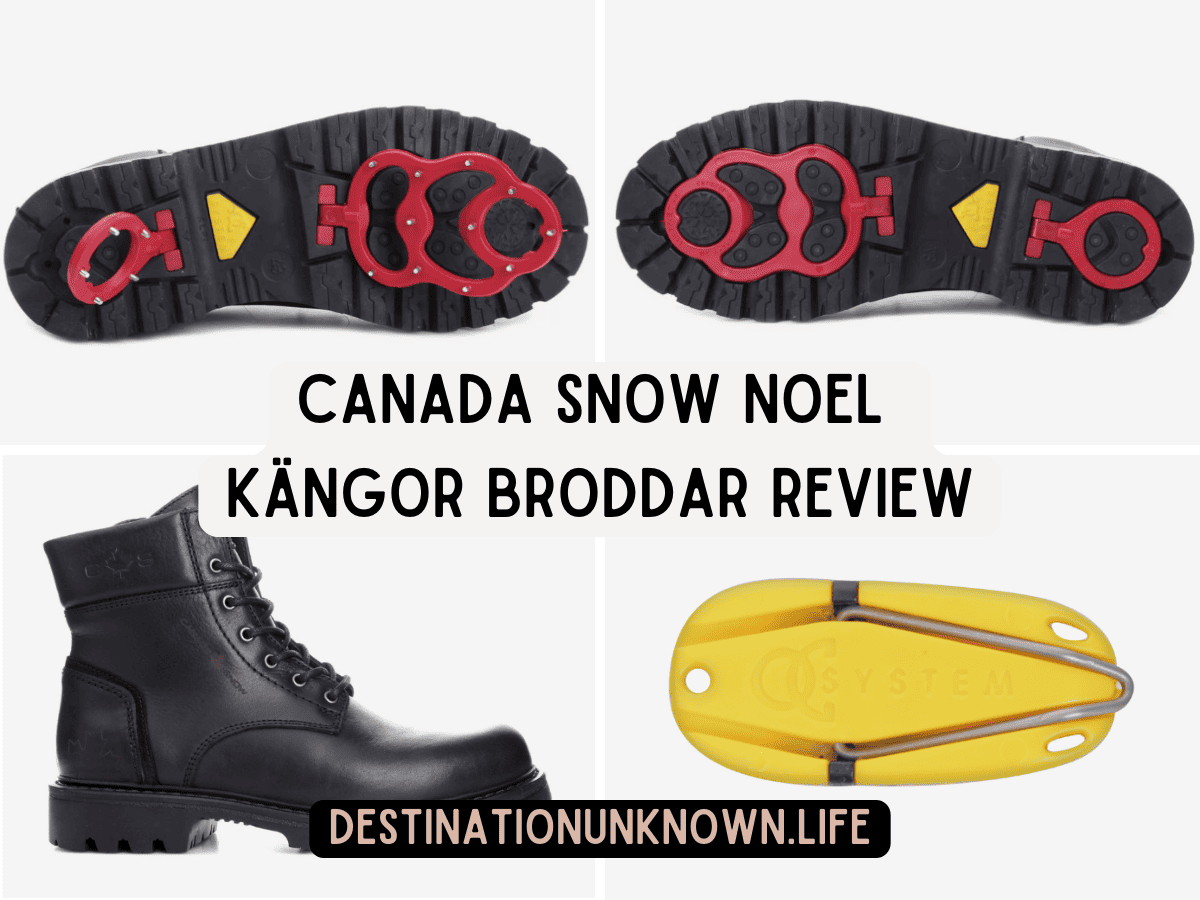
    The CANADA SNOW Noel Kängor Broddar is my top choice for everyday winter boots. After two winter seasons, I am incredibly satisfied with the overall quality of the boot, especially the exterior body and the soles. The soles are the most intriguing part of the boot because they offer an unique feature: reversible ice spikes. These are the shoes to buy if you want extra security against slipping in icy conditions without having to carry around aftermarket ice cleats. To activate the cleats, you simply use a special included key to flip them over on the soles of your shoes. When they’re no longer needed, simply flip them back to the smooth side.

    What’s to Like

    • Smooth leather finish
    • Easy to clean
    • Stylish combat boot look
    • Integrated, reversible ice grips
    • Quality built insulated boot
    • Excellent traction

    What’s Not to Like

    • The shoes perform best in temperatures warmer than -15 celsius
    • Stones easily get wedged in the soles
    • High price
    [lasso id=”5581″ link_id=”2832″ ref=”canada-snow-noel-kngor-broddar-2124971-scorett-se”]

    FAQ about CANADA SNOW Noel Kängor Broddar

    Where can you purchase the CANADA SNOW Noel Kängor Broddar?

    If you’re in Sweden, you can find the Canada Snow line at Scorett stores. If you’re outside of Sweden, you can order directly from the brand’s website.

    What if something breaks on the boot?

    I actually experienced one of the cleats breaking in 2023 and then a zipper on the side broke in 2024. In both cases, I took them back to the store I purchased them (Scorett in Sweden) and both repairs were made free of charge to me, and it only took a couple of days for the shoemaker to do the work. If you’re outside of Sweden and don’t have this service, check with the brand or store that you purchased the boots from to see what options are available to you.

    Conclusion to the CANADA SNOW Noel Kängor Broddar

    The CANADA SNOW Noel Kängor Broddar is and continues to be my top choice for everyday winter boots. This is my honest and unpaid review – I really like the boots! Let me know in the comments if you have bought these boots.

    If you like this content, then you may be interested in these other blogs:

  • Dressing for Swedish Winter: Family Edition 

    Dressing for Swedish Winter: Family Edition 

    Dressing a family for Swedish Winter

    I am sharing my top tips for dressing adults and children properly in Swedish winter, including the favorite products we wear daily. Our family of five relocated from tropical Florida in the southern United States to Northern Sweden several years ago, and we were not prepared for everything we had to learn about dressing for Swedish winter. The advice I share with you now is stuff that I wish I had known when we first moved here. 

    We wear winter clothing in our region of Sweden (center south, close to Stockholm) from November to April where temperatures regularly dip to -25 Celsius for several weeks! Further north, closer to the Arctic Circle, colder temperatures can reach around -45 Celsius!

    At the bottom of this post, I share our favorite winter clothes, insulated boots, and necessary accessories to help you survive the frigid winter temperatures. For tips on beating the winter blues in Sweden, read this blog.

    Table of Contents

    Build Clothing Layers to Stay Warm

    The number one most important thing when dressing for Swedish winter is building layers of clothing on your body. Typically, this consists of four to five layers to protect yourself as outlined below. The goal with layering is two-fold:

    1. to insulate yourself against the extreme cold temperatures, and
    2. to keep yourself dry from the elements.

    If water (think: melted snow) penetrates to your base layers, you risk hypothermia, frost bite, or worse.

    [lasso id=”5″ link_id=”2819″ type=”table”]

    How to Build Clothing Layers for Proper Body Insulation

    1. Start putting on base layers, preferably a wool or wool blend product, for both your top and bottom. Wool is a natural breathable product that is also water-resistant and sweat-wicking, keeping your body dry.
    2. The next layer will be your normal clothes, like jeans, a long-sleeved shirt, and thick wool socks.
    3. Building on that layer, should be a sweater with a high neck. 
    4. Finally, you will put on your outerwear which protects you from the elements like snow or rain. the jacket should be lined on the interior and have a watertight exterior, ideally with some wind blocking element like a hood with a fur Edge. You can also add looser-fitting waterproof and insulated pants that go over your normal pants. Of additional importance is a scarf or buff to protect your neck, an insulated hat that covers your ears and forehead, and insulated gloves. Depending on your level of activity outside (like wintersports), you may want to consider wearing a second buff or ski mask to cover your nose and mouth. 
    5. Your boots should be insulated and waterproof. As it is common to come across slippery ice in these conditions, we recommend adding slip-on ice spikes to your shoes as you go outside or buying shoes with these incorporated into the soles [Ingrid’s winter boot recommendation].
    6. Bring a spare layer in case of accidents. Our rule of thumb is to add an extra layer, like extra gloves or hates. If you are too warm, then remove one. It’s a lot nicer than being truly uncomfortable as your body temperature plummets. 
    7. Wear reflectors and a small battery-operated light to increase visibility in the dark (the sun rises after 9a and sets before 2p at the highest points of winter!). Fortunately, reflective strips or fabric are typically incorporated into children’s clothing at the factory; however, adult clothing may not have this feature. You can pick up both of these items at nearly every store in the winter season.
    [lasso category=”necessary-winter-gear” columns=”3″ compact=”hide” link_id=”2812″ title=”hide” type=”grid”]
    [lasso category=”kids-necessary-winter-gear” columns=”3″ compact=”hide” link_id=”2813″ type=”grid”]

    Adjust Clothing and Footwear for Colder Temperatures

    Walking to the store at -10 celsius is a totally different activity then walking or ice skating on a frozen lake at -20 celsius. The wind and sun can be especially strong on a landscape of ice, and your footwear may not be rated for standing on solid ice for long periods of time. From personal experience, I realized quickly that I needed additional protection from the cold when walking on our frozen lake in Västerås. 

    Below is a list of the insulated boots with temperature ratings to help you plan your outdoor winter adventures.

    FAQ about Dressing for Swedish Winter

    What kind of warm clothes should you use in Swedish winter?

    You’ll need to wear several layers of warm clothing during Swedish winter. First, wear wool or wool-blend base layers on your top and bottom and thick socks followed by a long-sleeved shirt and pants. Next, you’ll add a thick sweater with a high neck and accessories like a scarf or buff, hat, and gloves. Your outer layers should include a waterproof jacket and waterproof snowpants followed by low-temperature rated winter boots. If you’re not used to the cold, you may want to bring an extra pair of mittens to go over your gloves and extra pair of socks, in case you need more insulation around your toes.

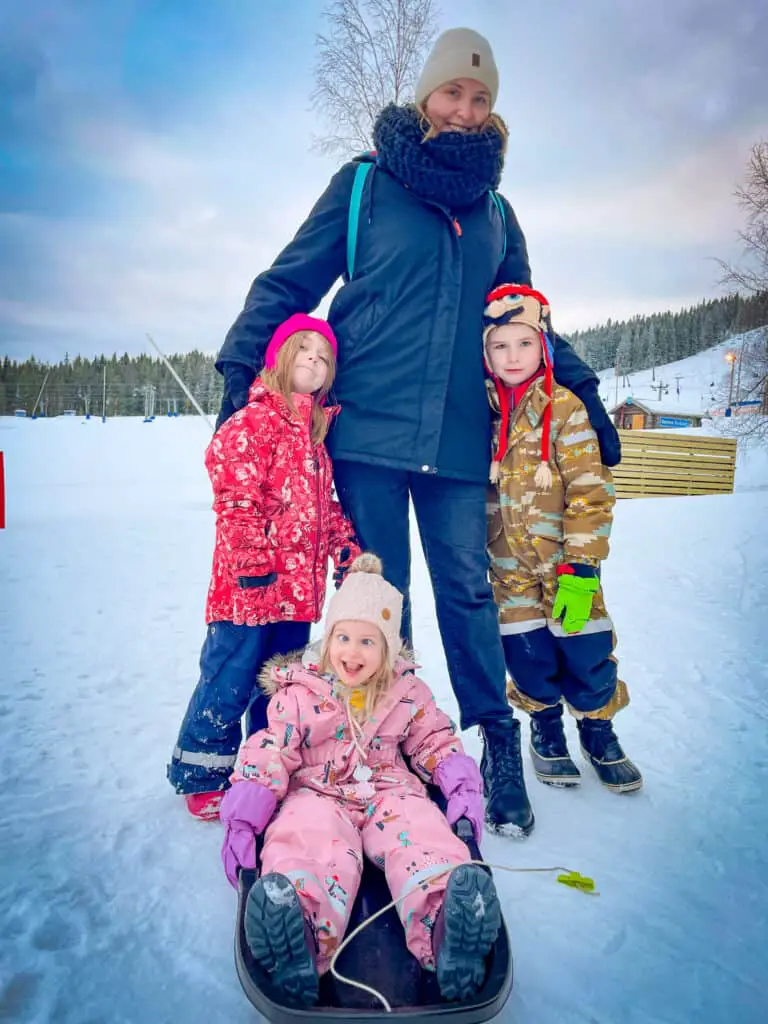
    For young children, we recommend that they wear a one-piece insulated snowsuit rather than a jacket with snow pants. In our experience, it made getting dressed and undressed go significantly faster.

    Where do you buy winter clothes in Sweden?

    Our favorite stores to shop for winter clothes are Stadium and for winter boots are Scorett. Both of these stores have locations all over Sweden, and offer limited repair services if parts of the purchase are damaged like a zipper going off track or a small tear in a snow suit. Scorett works with brands like Canada Snow and Polar, both of which offer cold temperature ratings on their boots (to as low as -40 celsius).

    Conclusion to Dressing for Swedish Winter

    I hope my tips for dressing adults and children properly in Swedish winter was helpful. Like I said, learning to dress properly in the northern climate took some learning and adjusting, but it’s totally doable. Certainly, it makes experiencing the beautiful season a lovely time.

    If you like this Swedish content, then check out these related blogs:

    1. Family-friendly Activities in Sandviken, Sweden
    2. 1-Day Travel Itinerary to Gävle, Sweden
    3. Tips to Survive the Winter Blues in Sweden
    4. Cost of Eye Glasses in Sweden
    5. Cost of Preschool in Sweden
    6. Canada Snow Noel Kängor (Winter boots) with reversible ice cleats

    Disclosure: Some of the links in this article may be affiliate links, which can provide compensation to me at no cost to you if you decide to purchase a paid plan. Thank you, if you do. As an Amazon Associate I earn from qualifying purchases. This site is not intended to provide financial advice and is for entertainment only. Read our affiliate disclosure in our privacy policy.

  • Beat the Winter Blues in Sweden: an Outsider’s Perspective

    Beat the Winter Blues in Sweden: an Outsider’s Perspective

    Beat the Winter Blues in Sweden

    I’m sharing my 7 tips to beat the winter blues in Sweden as an non-native resident, and hope they help you during your time here. If you know me, you know how much I love living in Sweden. I love the quality of life, the nature, and the four seasons, especially winter.

    As beautiful as winter in Sweden is, it also comes with a lot of darkness and it can be restrictive because of the extreme cold temperature (-20C and below!) and ice conditions. As someone who grew up in the “sunshine state” of Florida, living in such an opposite environment for three months of the year takes physical, mental, and emotional adjustments.

    I’m not a doctor so this isn’t medical advice. I am someone who moved here as an adult from a tropical climate and it’s honestly taken my body and mind time to adjust to the seasonality of this beautiful country. I know that I’m not alone in this after discussing it with friends who also relocated here from warmer climates.

    Table of Contents

    7 Tips to Beat the Winter Blues in Sweden

    1. Start a hobby or learn something new.

    You’ll likely experience more quiet time over the dark winter months simply because it’s a slower time of the year (outside of the Christmas events!). Rather than sitting inside with just your thoughts, pick up a hobby. I will list below the ones that I’ve personally tried when trying to beat the winter blues!

    • Fermenting ginger beer or kombucha
    • Making a sourdough starter
    • Take up baking (croissant, cookies, macarons, etc)
    • Start a blog
    • Learn to knit
    • Edit videos
    • Take drawing and Swedish language classes

    2. Have fika weekly with friends, in-person or virtually.

    Fika in Sweden is a daily ritual where you take a coffee break and have a sweet treat. It’s a great way to take a break and interact with friends and co-workers, and very much appreciated by all.

    3. Experience winter sports like downhill skiing and ice skating on a rink or a frozen lake.

    In our town, once the ice is at least 10 cm thick, they take a ATV with a snow plow to clear a 5-kilometer loop on the lake. It’s such a cool experience to see your town from a new perspective. We like to pull our youngest along on a sled or even use the stroller. There are also really affordable places to ski near most cities in the middle half and north of the country, if you’re interested in learning.

    4. Go outside at least once a day.

    Going outside is important to help your body adjust to the cold and also capture a bit of the sunshine before the sun sets.

    5. Take extra vitamins like B12 och iron.

    I had a blood test done during my first winter in Sweden because I was constantly exhausted, and I had never felt so drained of energy previously living in the tropics. I was a tired mom that was low on iron, though surprisingly B12 levels were fine. Now that I focus more on these metrics, I find I have more energy.

    In chatting with other friends that moved to Sweden from tropical and sunny climates, they say they’ve experienced the same thing. Below are the actual vitamins and supplements I take, and I feel like they’ve made a positive impact on my life during this time of the year.

    [lasso id=”6″ link_id=”2968″ type=”table”]

    6. Make your house cozy with extra lighting.

    In our area, we have about 3 hours of daylight on a good day at the peak of winter. Installing extra lighting gives you that additional glow that mimics the sunlight. We installed undercabinet lighting and motion-operated lights in our closets to brighten the darkest places inside.

    7. Give yourself time to adjust.

    Last but not least, give yourself time to adjust. Our first winter here, I naively thought that life would continue as normal. In hindsight, I felt very isolated in the remote village we lived in. Despite doing all the tips I mentioned above, I still felt sad and alone. Now, two years later, my body has learned a bit more of what to expect and I’ve settled into a healthier routine that seems to help me best during this season.

    Conclusion to Beat the Winter Blues

    I truly hope these tips help you beat the winter blues. As I write this post, we’re in early March, the snow has just melted, the sun is shining, the birds have returned, and temperatures are above freezing during the day. I feel my energy returning, like the energy to write a blog, and relish in the coming warmer months. 

    If you like this blog, you may also like these posts:

    1. Cost of Eye Glasses in Sweden
    2. Cost of Preschool in Sweden
    3. Sandviken, Sweden: Family Travel Itinerary
    4. Canada Snoe Noel Kängor (Winter Boots) Review | Reversible Ice Cleats

    Disclosure: Some of the links in this article may be affiliate links, which can provide compensation to me at no cost to you if you decide to purchase a paid plan. Thank you, if you do. As an Amazon Associate I earn from qualifying purchases. This site is not intended to provide financial advice and is for entertainment only. Read our affiliate disclosure in our privacy policy.

  • 15 Magical Cottages in Bar Harbor, Maine

    15 Magical Cottages in Bar Harbor, Maine

    Daydreaming of Magical Cottages in Bar Harbor, Maine  

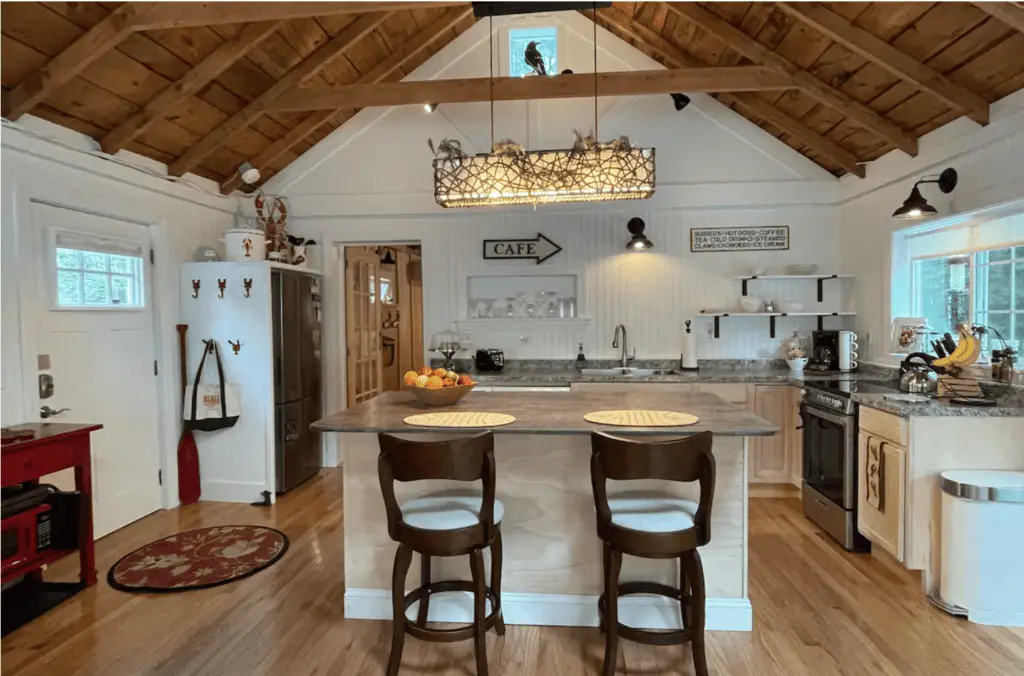
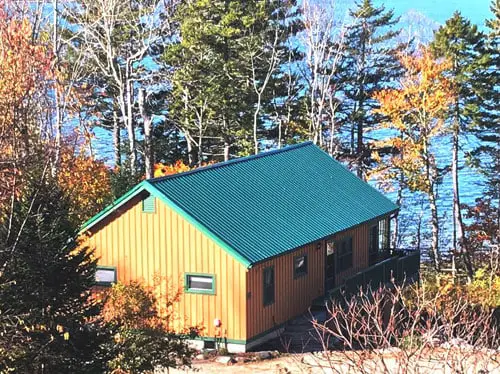
    When I think of magical cottages in Bar Harbor, Maine, I think of being snuggled in to a small home, nestled in a deep green forest or tucked into a charming coastal village on a somewhat secluded island in the far Northeast of the United States. Outside of my window, I’ll have vast views of the ocean and rocky hills. The nearby buildings (if any) will house lobster traps and have colorful buoys hanging on them. The paint will be aged from salt spray and wind from the ocean. It comes then as no surprise that there must be magical cottages in Bar Harbor, Maine, and that’s what I’m here to write about!

    My list of magical cottages in Bar Harbor, Maine will include smaller, secluded cottages and bed-and-breakfasts that just give an essence of something special, whether that comes from the interior furnishings, the home’s architecture, its surrounding area, being pet-friendly or family-friendly, or some combination therein. Also, the homes will be located within a 10-minute drive of Bar Harbor city limits. You won’t find any mega mansions, campgrounds, or RV parks in this list. [scroll to the list]

    Table of Contents


    Personal Experience Visiting Bar Harbor

    My family and I visited Bar Harbor, Maine on Mount Desert Island in September 2021. We traveled up the east coast of the United States in our self-converted skoolie RV over 6 months. Maine was the furthest state we visited and it captured our hearts, specifically the towns of Bar Harbor and Bath/Georgetown. We spent a week recharging our batteries and exploring Mount Desert Island. Let me know in the comments if you’ve ever traveled to Bar Harbor and where you stayed.

    Discover These Magical Cottages in Bar Harbor, Maine

    Check out my lovingly curated selection of cozy cottages within a 10-minute drive of Bar Harbor. The list has been categorized based on location, seclusion, and family- and pet-friendliness.

    Bed-N-Breakfasts in the Village

    Vacation Rentals For the City Lover

    For the Nature Lover

    Family-friendly

    Pet-Friendly & Secluded

    Have you Found Your Magical Cottage in Bar Harbor, Maine?

    If you have, leave a comment on where you’re going to stay and why. There is such an unexplainable charm to Bar Harbor, and these cottages are the icing on the proverbial cake.

    If you are traveling to Mount Desert Island and Bar Harbor soon, then I recommend reading these other blogs dedicated to this community:

    If you’re visiting other parts of the eastern USA, then read these blogs:

    Disclosure: Some of the links in this article may be affiliate links, which can provide compensation to me at no cost to you if you decide to purchase a paid plan. Thank you, if you do. As an Amazon Associate I earn from qualifying purchases. This site is not intended to provide financial advice and is for entertainment only. Read our affiliate disclosure in our privacy policy.

  • Skoolie Insurance Directory of North America | 2026

    Skoolie Insurance Directory of North America | 2026

    Why is Finding Skoolie Insurance such a Headache?

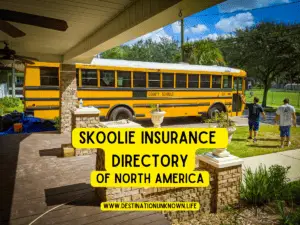
    You’re not alone. A common question I see on skoolie forums from new and veteran skoolie owners is how to get insurance on your school bus conversion in a specific state, whether it’s still titled as a commercial vehicle or as a motorhome. So, I decided to do create a state-by-state Skoolie Insurance Directory of North America

    Get the Free Skoolie Insurance Directory

    Table of Contents

    I spent 10+ hours scouring skoolie forums and websites for personal recommendations from the skoolie community and reaching out to insurance agents across North America. 

    My goal is that the Skoolie Insurance Directory will be a growing and reliable resource that provides helpful information to the school bus conversion community. 

    We have insured our skoolie twice; once when it was titled as a commercial passenger vehicle and again after re-titling the bus into a motorhome in Florida. We purchased our bus from a school board in Tennesee then transported it to back to Florida with a gap insurance policy.

    What is included in the Skoolie Insurance Directory?

    The directory is an easy-to-access resource filled with independent and commercial insurance agents from independent insurance brokerages and the usual commercial agencies across North America. Additionally, this resource will still be helpful, whether your bus is still registered as a commercial passenger or you’ve successfully converted the title to a motorhome. Finally, the information provided is listed state-by-state so you can quickly locate the best insurance provider for your place of residence. 

    The directory provides the: 

    • State
    • Agent name and contact information
    • Insurance company
    • Type of vehicle being insured (RV, commercial passenger vehicle / bus)
    Get the Free Skoolie Insurance Directory

    Skoolie Insurance FAQs

    Where can I find a skoolie insurance policy?

    If you’re having difficulty finding an insurance policy for your school bus conversion when calling the main line from big chains like Progressive and State Farm, then I highly recommend working with an independent agent, specifically one recommended in the Skoolie Insurance Directory or a local brokerage. 

    Oftentimes, when you’re working with someone in your community, they have a desire to help a neighbor and (most importantly) can shop across multiple insurance providers rather than just one. That saves you a whole bunch of time. Read my experience obtaining insurance on our skoolie RV in Florida here, including an example of our policy.

    Can I get insurance on my school bus if it’s titled as a commercial vehicle?

    Yes. A retired school bus is originally a commercial passenger vehicle. During it’s time of operating, it had an insurance policy and it can still obtain one, even after the bus is retired. 

    If you are in the process of retitling and/or rebuilding your school bus conversion, then work with your insurance provider to bind a commercial vehicle policy. 

    Another option is to find a short-term policy (aka. “gap”) policy to carry during the time that you’re renovating your rig. A gap policy can also be helpful if you purchase the bus out-of-state from your home location and you will transport it across state lines. Consult with your insurance agent on the best policy for you.

    Can I get insurance on my school bus if it’s titled as a motorhome?

    Yes. A retired school bus that has been re-titled as a motorhome or RV can obtain insurance. Different states and insurance providers have different requirements for what it takes to bind a motorhome policy. Nonetheless, there are several options available to you. Read this blog on how we easily insured our school bus RV in Florida.

    Get the Free Skoolie Insurance Directory

    Should I tell the Insurance Company that I own a Skoolie?

    Yes, tell the insurance company that you own a skoolie. Firstly, once you provide the make, model and title, it is immediately obvious that you own a current or former commercial vehicle. Your goal in getting insurance is to insure your tiny home on wheels as either a commercial vehicle (if not titled as a motorhome) or as a motorhome (if it has been retitled as such).

    Instead, work with a recommended insurance agent who can search for policies across multiple insurance providers and will come to bat for you with the underwriters.

    For a list of recommended state-by-state skoolie insurance providers, download the Skoolie Insurance Directory.

    Get the Free Skoolie Insurance Directory

    Conclusion to Skoolie Insurance Directory of North America

    I hope that this directory of Skoolie Insurance Providers in North America gives you peace of mind as you transition to bus life or try and scout our new providers for a better rate. 

    If you like this post, then you may be interested in these other related posts:

    Disclosure: Some of the links in this article may be affiliate links, which can provide compensation to me at no cost to you if you decide to purchase a paid plan. Thank you, if you do. As an Amazon Associate I earn from qualifying purchases. This site is not intended to provide financial advice and is for entertainment only. Read our affiliate disclosure in our privacy policy.